EPFL scientists manage to digitize and simulate neural tissue
Non classé
9 October 2015
An international team led by scientists from the Swiss Federal Institute of Technology in Lausanne have completed a first-draft digital reconstruction of a piece of a rat neocortex. The Blue Brain Project, the simulation core of the Human Brain Project, has created a digital reconstruction of a part of the neocortical microcircuitry of the rat […]
 An international team led by scientists from the Swiss Federal Institute of Technology in Lausanne have completed a first-draft digital reconstruction of a piece of a rat neocortex.
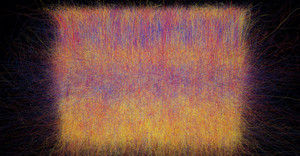
The Blue Brain Project, the simulation core of the Human Brain Project, has created a digital reconstruction of a part of the neocortical microcircuitry of the rat brain. About a third of a cubic millimeter of brain tissue containing around 30,000 neurons connected by nearly 40 million synapses was digitized. The researchers then ran simulations on the virtual tissue that mimicked previous biological experiments on the brain, validating its biological accuracy. Thanks to the simulations, researchers were also able to discover aspects that have not yet emerged from biological experiments, such as the unexpected yet major role of calcium in some of the brain’s most fundamental behaviors, which could lead to new ways of studying information processing and memory mechanisms in normal and abnormal brain states.
This first step towards the digital reconstruction and simulation of the brain is the result of 20 years of biological experimentation and 10 years of computational science work. The publication of the study by the renowned journal Cell, acclaimed for publishing only the most important biological discoveries, represents a major milestone for the EPFL scientists. “They delivered what they promised”, said Patrick Aebischer, president of EPFL, who together with the Swiss government took the bold step of funding the ambitious Blue Brain Project.